Showing posts with label sadness. Show all posts

Thursday, 25 May 2017

Yayoi Kusama, My Eternal Soul. Tokyo 2017


Following on from seeing her work in London last year, I was fortunate to visit this beautiful retrospective of Yayoi Kusama’s work in Tokyo recently. I haven’t blogged much recently, I’m struggling with my words. So today I share hers. In the entrance to the museum, a humble introduction to her life, her beautiful prose, like an epitaph, it set me up for the exhibition, to cherish every moment, from the giant colourful hall filled with 400 pieces of her work, milling with adults and children running around in awe and excitement, to the smaller galleries covering every decade of her long life. It struck me then, how we don’t have her for long. And as I read I felt sad how we live in a world of such rage and turmoil, where parents bury their children and the wise are shouted down. She’s fragile, a vulnerability pervades her. But she has led such a full life and planted seeds of gentle inspiration in many. There’s always hope.

“Message

Today’s world is marked by heightened anxiety connected to ever growing strife between nations and individuals, and to elusive prospects for peace. In the midst of such turmoil, we must, as human beings, be ever more vigilant and determined to build a better world through strengthened cooperation.

I have always been dedicated to my art, struggling day and night to create it. I intend to continue creating works of art as long as my heart keeps beating. I hope my fervent efforts might live on through those who view my art even after I am gone. my greatest desire is that my vision of a future of eternal harmony among people can be carried on.

In more than 70 years as an artist, I have always been in awe of the wonder of life. More than anything, this strong sense of the life force in artistic expression is what supported me and gave me power to overcome feelings of depression, hopelessness and sadness.

I have been guided by my belief in this power.

I am profoundly gratified that I have always had the fortitude to live with the unwavering dedication through the vicissitudes of my life’s long journey.

I believe that my mentality as an artist has sustained me throughout.

The creation of art is a solitary pursuit.

As an artist, I am committed to sharing my passion and inspiration. I wish to convey my message widely and I intend to continue my struggle until I leave this earth.

There is no greater pleasure for me than to imagine that my creative spirit, my expectations for art and my passion, may be felt even after I am gone.

I deeply hope that the life I have led and the ideals and worldview I have advocated might help the young people of today, and generations to come, create a world where spiritual and material suffering in human life can be overcome. This is my sincere wish.

The struggle is endless

I want to creat more innovative works

I am sleepless thinking about that

Thoughts of creating are yearning for the unknown

I want to pursue my struggle as an avant-garde artist

Until I expire


My heartfelt gratitude to all who have supported me in my life as an artist.”

Yayoi Kusama, Avant-Garde Artist.

Sunday, 1 November 2015

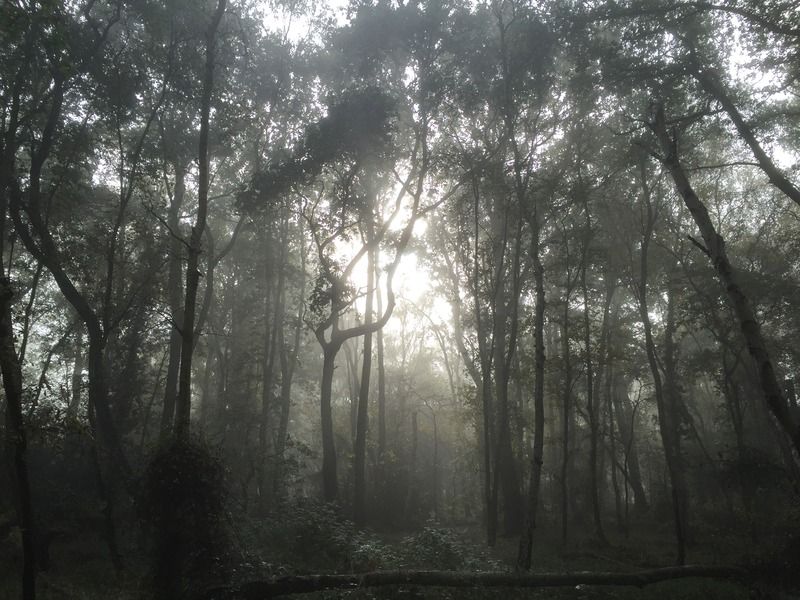
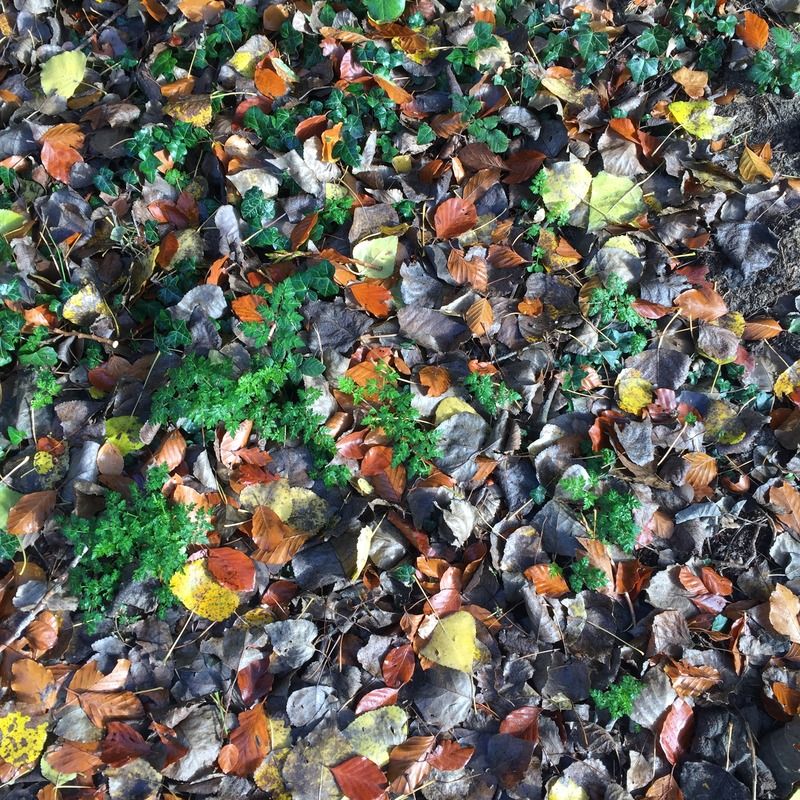
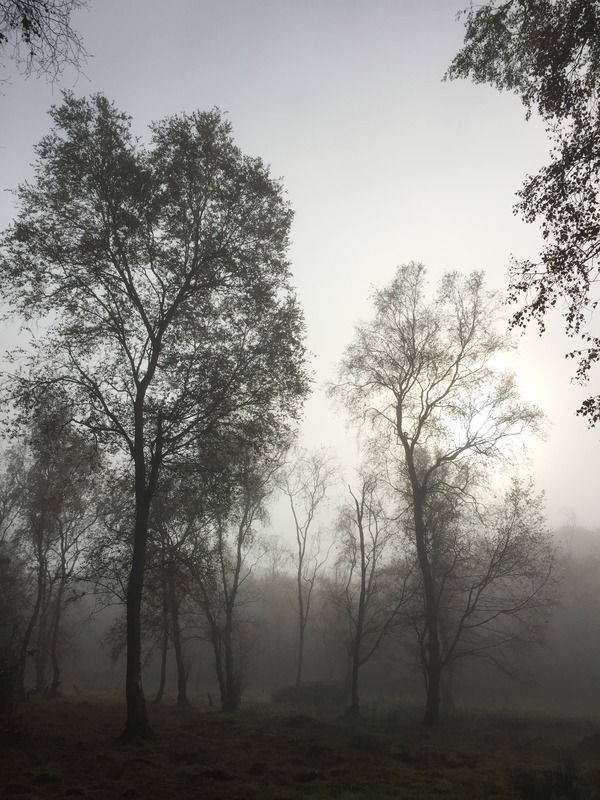
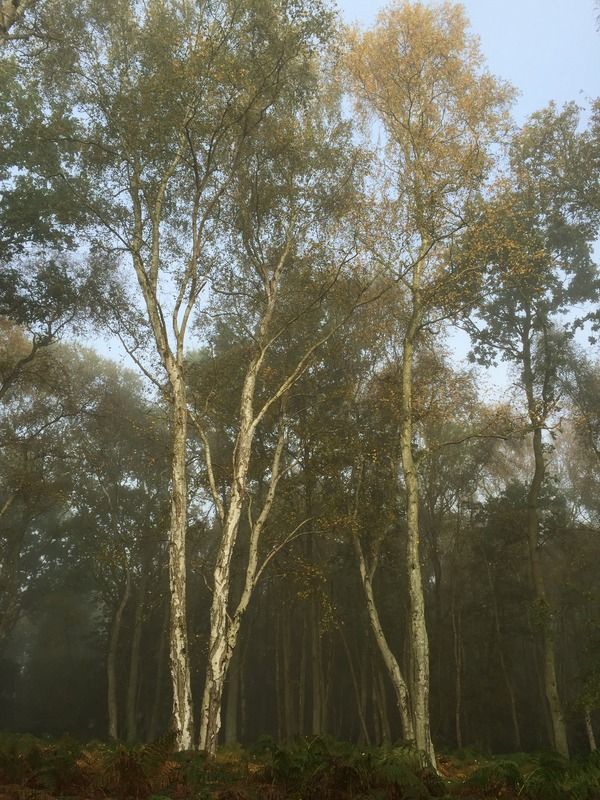
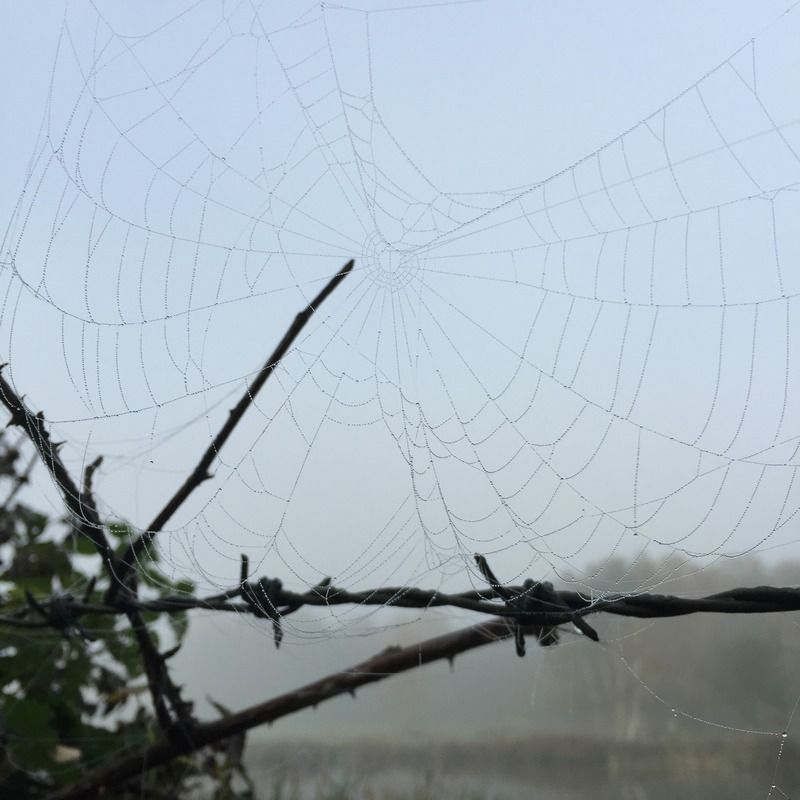
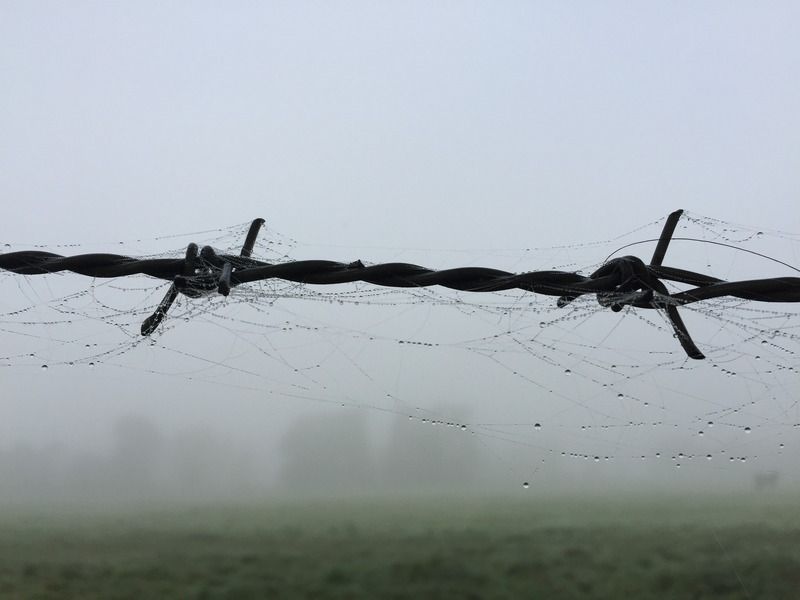
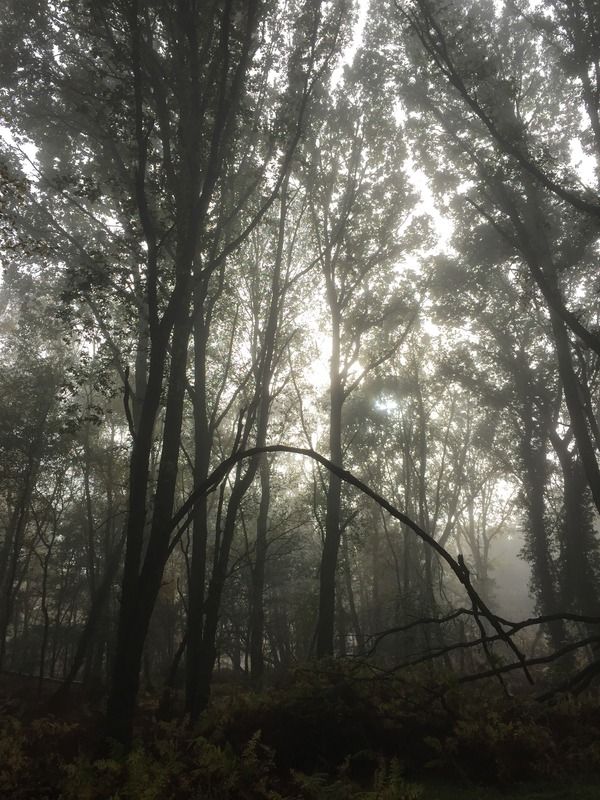
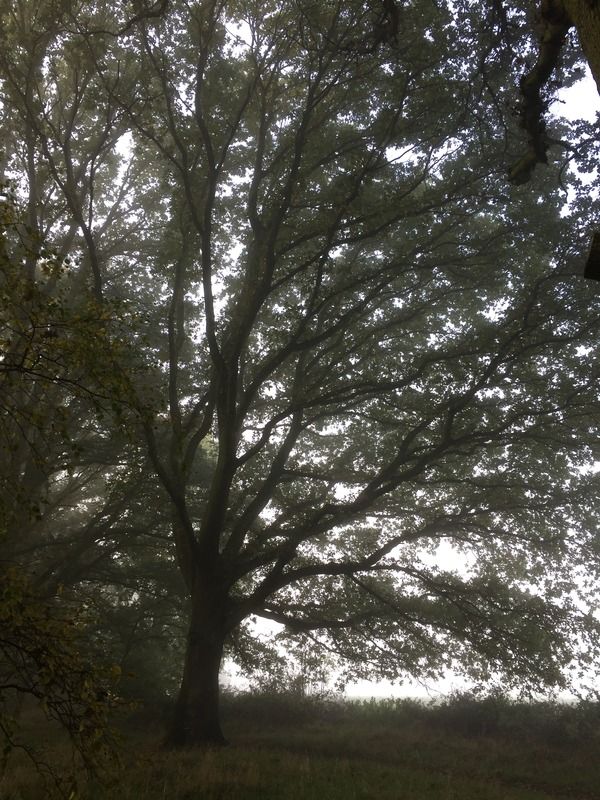
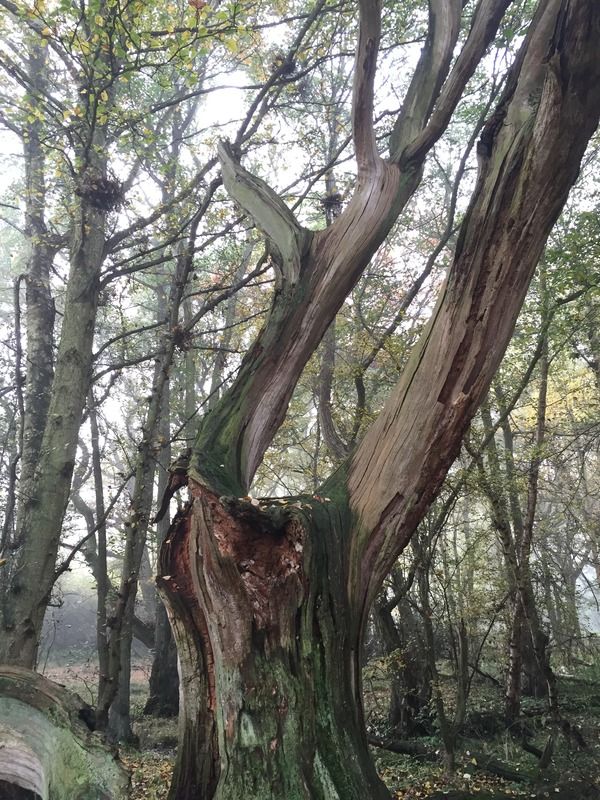
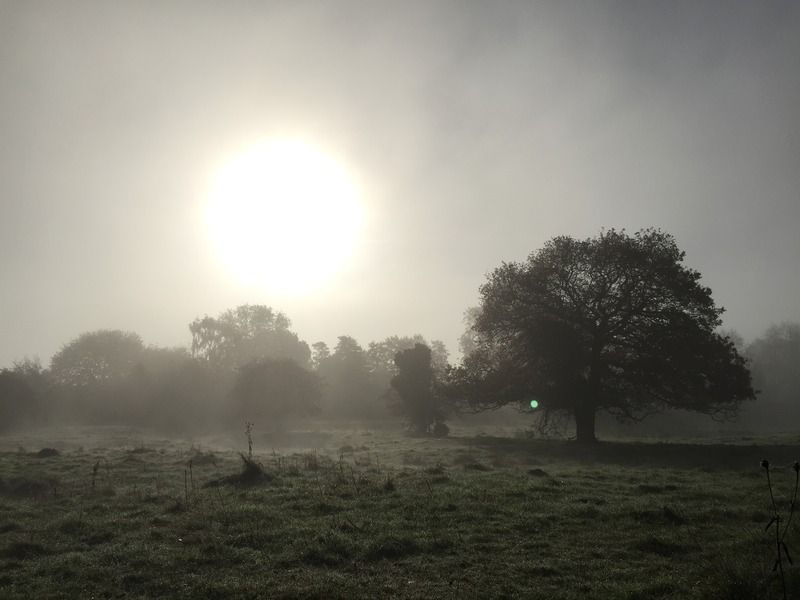
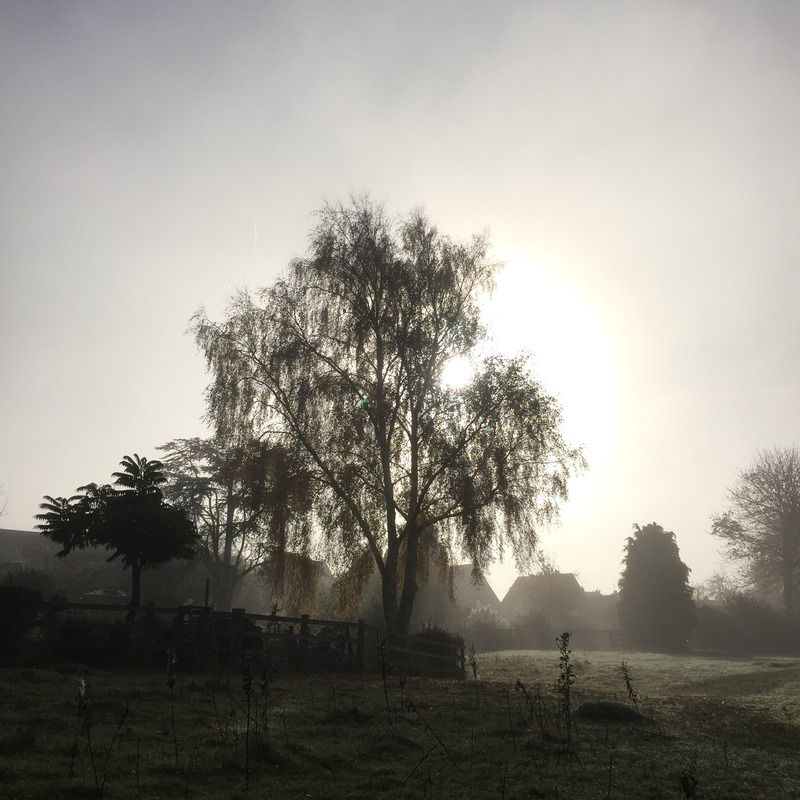
Fog and Autumn, Poems and Photos


Treasure

The trees are poorer for their gold is gone.

Spilled their jewels.

Rich are the creatures who thrive in it,

grow from its colour.

Things inside us

I see things that are inside us,

an old anatomy model, a lung, a liver,

hundreds of miles of capillaries,

nerve endings screaming in their cold nakedness.

Metamorphoses

I caught the silver birches dancing in the fog.

They stopped still.

Hoping I hadn’t noticed.

They are not vengeful.

I am not Actaeon.

Silk

A garrotte of spider silk,

drapes the brambles,

the barbed metal,

burdened with tears,

the weaver waits,

for light.

Shroud

I once read that dying trees,

burst into vibrant green,

a last defiance.

It’s not a dress,

it’s a shroud.

The Stare

Caught in a Gorgon’s stare and

petrified.


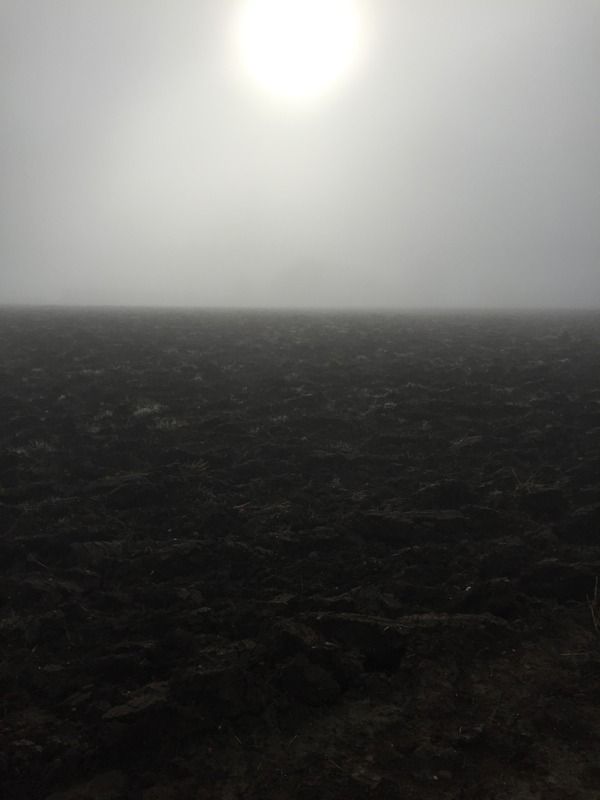
Mud

The fog paints away

the familiar

All I have is

ditches in the field

turned earth

clay

mud

I’m walking inside

a teardrop.

I can touch

my horizon.

Sun

The sun’s breaking through,

The secret world

will be gone soon

Words and photos © Mel Melis

Thursday, 1 October 2015

It’s October, October means Ray Bradbury


“He had never liked October. Ever since he first lay in the autumn leaves before his grandmother's house many years ago and heard the wind and saw the empty trees. It had made him cry, without a reason. And a little of that sadness returned each year to him. It always went away with spring.

But, it was a little different tonight. There was a feeling of autumn coming to last a million years.

There would be no spring."
― from "The October Game" in Long After Midnight

I was deeply saddened when Ray Bradbury died in 2012, part of my childhood died too. In my sadness I was thrilled to see writers such as the lovely Joanne Harris (who I also greatly admire as a writer who captures the essence of the human spirit) write with such love about him.

He was, in my opinion, incorrectly classed as a science fiction writer, but he wasn’t particularly. His short stories, especially in what might be considered his “pulp” era, in the 40s and 50s were masterworks of fiction, ahead of their time in both pathos and sometimes unsettling darkness.

He wrote about the human spirit, kindness, love, tragedy, adversity. He made you feel. Made you love his characters, root for them. The fact that his protagonists were often in fantastical scenarios or worlds, was secondary to his craft. And his craft was the poetry in his writing and the fullness of his characters.

I’ve read lots of “tips for writers” over the years, but when I write, I think of it in terms of a reader, what do I want to read? I don’t (usually) want to be left feeling cold, I want to be engaged. I want to read about people I care about, people I feel empathy for, people, who even if they fail, (because life is like that), I know that even with their flaws, their intentions were good, even if their actions sometimes were not. I am a child of comic books, of clear boundaries between good and bad, as I’ve grown older I’ve learn the hard way, there is no black and white in life, just different shades of grey. In a book though, you can create a world of your own. Sometimes these worlds are fairy tales, and remember fairy tales are often dark and bloody, but also sometimes these worlds are steeped in reality, of sadness, violence, or even the mundane, where someone plods through life, but dreams of something better, of true love, of breaking out of monotony, of fame or infamy. All of these types of stories appeal, because they concentrate on people and the anguish, joy, love and missed opportunities of their lives.

Bradbury captured that, the inner darkness, but also the light. There is always hope in his stories. Mostly…

The quote above came from a book I haven’t read yet, I saw it shared on social media, and thought “wow, I wish I wrote that” (I don’t have a highbrow alternative to that statement!). But it’s true. There is something tragic and beautiful about that passage which engages me, wants me to read more. So tonight I bought the book it came from, online, second hand, because it doesn’t appear to be in print.

Which leads me onto my favourite Bradbury Book, The October Country, a selection of dark, borderline psychological horror stories. October is a funny month, it’s the kiss of winter, the sleep of summer. I went for a run and saw the gold of dead leaves slowly falling from the trees and felt an ache of that loss. That soon the darkness will come, the remaining flowers will wither, the days will shorten further, and I will feel the gloom of the season. The October Country is a book for Autumn. I will read it again. As I often have.

I wrote above that there is always hope in his stories.. mostly. Well the October country has some deeply unsettling stories. Like Skeleton, where a man becomes obsessed and terrified of the bones within him. Or The Man Upstairs, a really quite disturbing story of a child’s detachment from reality and how he can moralise committing a heinous crime.. or was it a crime? The Veldt is a masterpiece, exploring technology yet to be developed, but also childrens’ propensity to explore, sometimes to their own detriment or those of their loved ones.

But there are also lovely gentle stories, like the Homecoming, which has the most heart wrenching ending, I wrote a little more about it here. There Was an Old Woman, who refuses to die, even when Death pays her a visit. He gets an earful. And the Emissary, about a bedridden boy who explores the outdoors through the adventures of his faithful dog.

Bradbury had depth and feeling. In one of his later collections, he was in his late 80s I believe, I remember a story he wrote about a mother who lost her son in an accident, but knowing her son had donated his heart, made it her mission to find the recipient. All she wanted to do put her ear to this man’s chest, so she could listen to her son’s heartbeat one last time. So simple yet such a beautiful premise. It made me cry.

Thank you Ray Bradbury, for helping me read, and making me want to write.

Wednesday, 5 August 2015

Reiko Watanabe, Hiroshima


Tomorrow is the anniversary of the nuclear bomb falling on Hiroshima. It’s often the story of the individual which hits home when contemplating the horrors of war and the associated loss of life. In Reiko Watanabe’s case, it’s her lack of a story, the hole left, the emptiness of a future taken from her, the life she could have led, which really hit home for me. She was only 15 when the bomb dropped, helping with fire prevention work with her fellow students. She might be alive today, a grandmother, or great grandmother. We can only imagine the dreams and ambitions she concocted in her youth. The war raged around her, but she had a future.

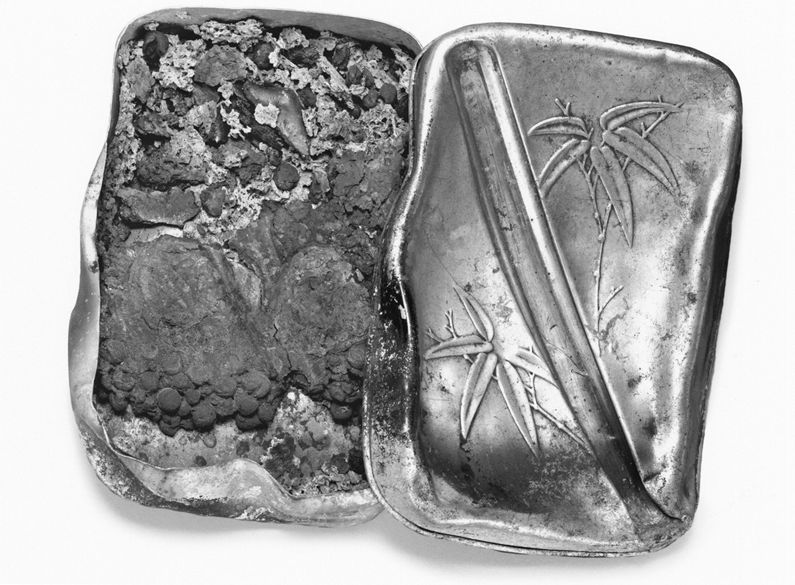
Her body was never found, she was working by a mud wall, and later, her lunch box was discovered, melted, but still distinguishable and full of the rice and peas her mother had prepared for her that morning. It was all carbonised of course, but it was a tiny glimpse to show she was loved. And missed.

The photo below is by Hiromi Tsuchida, it is Reiko’s lunchbox. I first saw this photo in an exhibition at the Tate Modern, Conflict, Time, Photography and I was both chilled to the core at the power of the weapons we’ve made to destroy each other and moved by the humanity of the portrait of this last memento of a young girl’s life.

I wrote these words for her.


Reiko

By the low wall, Reiko diligently performed the fire drill

she briefly saw the white light, In an eerie silence,

Before it blinded her,

moments later the force, hit her,

Vapourised her, leaving the girl,

In the the spring of her youth,

Just a memory to those who loved her,


Her future dreams, caught in the shock wave,

scattered, as single words,

Sewn seeds, in the poisoned fields,

The wall she worked by, it fell,

so that even her shadow,

was lost,


But her lunch box,

Buckled by the heat, survived,

A memento, a tribute to the love,

of her proud mother, who sent her out,

with precious rice and peas,

to help.


Poem © Mel Melis (photograph by Hiromi Tsuchida)

Saturday, 20 June 2015

I am the stealer of summer joy!


For those of you (not many!) piqued by my confession that I’d finished writing a novel (I’m going back to editing it this week) and asking me for an example of my creative writing, I share this little short story I wrote this week. It’s very much an experiment in free writing, so there are some flaws, it was finished within a lunchtime. I was talking to a friend at work about the summer solstice, why is it celebrated? For me, and in fact for my colleague, the summer solstice seems like the saddest day of the year. The days will get shorter and shorter, it’s the promise of winter before summer has even kicked in.

The longest day of the year is very much celebrated, the further north you go, the starker the difference in the seasons become and the lengths of day and night get more and more extreme. The weather is a strange thing, such an effector of moods, I always think even the ugliest concrete landscape can look prettier when the sun shines.

The tongue-in-cheek title “I am the stealer of summer joy!” was my friend’s light hearted contribution to our discussion, it made me laugh but it also generated an idea for this story, I have permission to use it, so I thank her for that!

The story itself is meant to be darkly funny, surreal and a cliche of Nordic noir, like an Ingmar Bergman film, but I'm not sure if it hits any of those marks in that respect! It certainly is a clumsy exploration of loneliness, and existential sadness, after all we are all really alone right? (listen to me like I know what I'm talking about!).

As for the characters in the story, I don’t know what happens next, for me this is an ending, I could write more, I could make Torstein and Ingrid fall in love, I could have one of both of them die of the malaise hinted at, I could heal the blight on the world and disperse the clouds and rain, but I can’t. For me, this is how this story ends. It feels right to end this way. And yes, I do feel sorry for the dog. You decide if you like.

Anyway, it’s apt, on the even of the solstice, that it is raining today. Cheer up! Enjoy your summer! haha.

Mel

(short story © Mel Melis)

---

I am the stealer of summer joy © Mel Melis

Torstein looked through the greasy pane of glass, the rain was pounding relentlessly against the tin roof, he felt each drop like a nail hammered into his back, the morning was dark, malevolent. He squinted, hoping to see something of the barren sand dunes and perhaps beyond, to the roaring ocean, but everything was blurred by the combination of the imperfections in the glass, the smears of soot and cooking fat, and  the rain’s rivulets pouring down. He sat down at the old oak table again. He began to butter a dry crust of bread with his ivory handled knife, the one his grandfather had given him. His grandfather the whaler, he’d scrimshawed naïve scenes of sea creatures into the whale tooth handle, but through years of use, the relief was worn down. He examined it, turning it over in his calloused hands, it felt weighty, a comfort in his hand, of something lost and yearned for, there was the distinctive spiral of a nautilus shell in the fat end of the handle, but other images were lost to time, eroded, like his memories. He sighed, he barely remembered what any of them looked like, that older generation.

He put down the knife, put down the crust of bread, his big hands gently depositing them so they only made the tiniest sound against the dented metal plate. He decided he wasn’t hungry. Eating was a habit, to pass the time, like smoking. He rolled himself a thin cigarette and lit it with a twig from the open fire. He threw the twig back into the flames, it burst and crackled.

“I am the stealer of summer joy” he muttered when he sat down again. He’d heard it in a dream. A recurring dream. In March, he heard it as a whisper, the ice of winter hadn’t melted then, but the watery sun would peep over the horizon, in a shallow arc, promising warmth in the weeks ahead, but the sun broke its promise, something had happened. In April, the clouds gathered and the rains poured. On occasion they’d get merciful relief from the rain, but on those days the sun was always obscured, by the brooding clouds gathered, which would descend from the sky and contemptuously smother the ground, such that there was no distinction between the sky and the earth. The clouds were heavy, tired, filled with dust and would roll into their houses if they left their doors open. A breath would be like a drink of stale water, people walked with cloths over their faces or their wracking coughs would hinder them. The voice in the recurring dream got louder then. “I am the stealer of summer joy” it would tell him. The only voice of joy he’d heard was the one telling him this, sometimes it would be morose, almost pathetic and plaintive, but of late, it smacked of aloof superiority to his plight, shrill and mocking.

The woman in the corner was gently sobbing, he never even asked her name, but he took her in, her family had died, he remembered that much. She wasn’t company, she was just another thing, an ornament of sorts, in the meaningless suffering he was enduring. Perhaps he was the same to her. When she knocked on his door, perhaps a week before, he knew what had happened to her, he felt it, she was alone in the world. So was he. He didn’t engage, he just stepped aside and allowed her into his hut, she curled up by the fire and didn’t really move much. They were both still alone, but two people alone with one fire saves firewood. It was a practical arrangement. He didn’t mind her tears, it didn’t irritate him, when he did hear it, it was a welcome change from the unremitting rain.

His door creaked open, the unmistakably massive frame of Lars stood there, his silhouette blocking the light. “The light?” pondered Torstein out loud. “There is light?”

Lars laughed. “Yes Torstein! Sunshine! The clouds have broken!”

Torstein hadn’t heard the rain stop, engrossed as he was in his smoking. He flicked the stub into the fire. His dog, the faithful collie Wolf watched him, her big friendly eyes devoted to his every laboured movement. Lars laughed, Torstein hadn’t heard Lars’ jovial laugh in weeks. As his eyes accustomed to the light streaming in around his friend’s frame, he saw the grin on his unruly bearded face. He’d missed this Lars. Lars wore his unmistakable high waist dungarees, pulled over the top of his wide stomach, held up with leather braces. He was a cartwright. In his hand he swung a grey clay jug, a liquid swilled within it.

“Do you think the old gods look favourably on us Torstein?” said Lars.

“The old Gods bring thunder and rain Lars, perhaps the new God is blessing us.” Torstein countered contemplatively. “Or perhaps there are no Gods at all.” He gathered himself up and hauled himself to the door, he wanted to see the sun. “Stromberg, he has been to the city, he has read a scientific journal, he says there were great eruptions in the Orient, the smoke has covered the sky in a blanket, this is why we are cold, why we are ill. The sun cannot see through the dust.”

Lars laughed again. “Stromberg is an idiot” he stepped aside and allowed Torstein to get past him, to walk out tentatively, scrunching his face in the pain of a light he had become unaccustomed to. The woman, who had roused herself, intrigued as to the return of the sun also stepped out, she had stopped crying. The sun on his face had filled Torstein with life and questions, like a melting river, something stirred within him, the spirit of fellowship. “What is your name?” he asked the woman embarrassed, remembering his manners after so many days. She smiled. “Ingrid”

The smile fuelled him further, he liked it, being smiled at, but he wasn’t sure what to do with the feeling “I am Torstein” he said.

“I know” she said simply. He reached for her hand to shake it, but she met it with her opposing hand and stood next to him side by side. She squeezed his hand and held onto it. Her hand was soft and precious. It felt warm. He’d forgotten warmth.

The crack in the clouds was widening, the sun was beautiful, it lit the dunes all the way to the beach and they saw the blue of the sea for the first time in months rather than the grey of sea met by the grey of cloud. Wolf the dog had trotted out and sat by Torstein’s feet, her gaze was on him, not the sun, he was always her warmth, even if the sun was extinguished, she would look to Torstein for light.

The three people stood by the little hut beyond the dunes and allowed themselves the privilege of sunlight, and after some minutes, for it was not a surprise to any of them, the crack in the sky closed over, the clouds stirred and wrestled, boiling into a seething mass, and the rains started again. They all huddled inside. Ingrid let go of Torstein’s hand and he immediately felt his heart go cold. The feeling of warmth, the rays of happiness which played on his soul faded and disappeared. He tried to hold onto that feeling, but the cold took it cruelly away. Torstein stoked the fire. He shivered. He looked wistfully into the dying flame, "It is nearly midsummer but my bones still ache with cold" he paused for what seemed like an age as he stoked further, the metal iron scraping against the old stone of the hearth.

“The summer hasn’t begun, yet the lengthening days will end tomorrow.”

“It is the solstice?” asked Lars. “I forget the dates, they are meaningless in this grey place now”

“Aye, the solstice. If we were able to see it, the sun would shine for its longest, but the day after, and imperceptivity every day after that, the darkness encroaches and fills our hearts with melancholy"

“More melancholy” corrected Ingrid with a sullen resignation. Torstein nodded.

The rain battered down on the tin roof again. Lars swung his jug and landed it on the table. "drink! forget this sadness! Kill the pain!"

Lars poured into three tin cups. They each downed a swig of spirit from Lars’ jug, swallowing it like it was liquid fire. As the spirit seared his throat Torstein felt momentarily enlivened, he looked at how beautiful Ingrid’s eyes were, she met his gaze and some recognition of his desire registered, but then the feeling was lost to the rain. They both looked away.

“Enough!” said Lars. He felt frustrated, he was the strongest man on the coast, but he could not defeat the gloom that overwhelmed them. “Keep the drink” he muttered as he left, slamming the door behind him.

Torstein broke the crust of bread he’d previously buttered into three pieces, he offered one to Ingrid, he dropped another one on the floor for Wolf and the third he forced himself to eat. A habit. To pass the time.

“I am the stealer of summer joy” said the voice in his head.

Thursday, 18 June 2015

Dusk and Dawn –June 2012, “I hear those voices that will not be drowned”


Dusk

After the rains, the sun shone,

A jewel of an evening

where long shadows caressed the beach,

And touched the churning sea,

The mottled sand, built in tiny peaks,

Amongst the dunes, unsullied by feet,

I didn’t know you’d gone,

They were calling me, to tell me,

But I was oblivious,

I’m glad, because I saw beauty,

And now when I remember that day,

I face the sea, the sun at my back,

I see a glint of light on the scallop,

I listen to the timeless pulse,

Of the ocean, the cry of birds,

The wind driving at the hardy plants,

Who tremble, like my fragile heart.

© Mel Melis (all words and photos)

Dawn

I stayed up and watched the sun rise,

over the North Sea,

I saw her face in the clouds till

the sun melted it away,

Dusk and Dawn, those funny times

neither claimed by day or night,

A time where for an instant,

the imagination snares reality.

Tuesday, 14 January 2014

The Front Door


Can you mourn the passing of a door? It’s funny what we might consider precious. What we instil such emotional value into, memories or things. The heavy old hardwood door, older than me, a fond memory of growing up, ubiquitous through my childhood and early adulthood. Now a dark moss green, but painted so many times over it groaned and juddered reluctantly when you dragged it into its snug old frame. Painted over like the Edwardian tiles in the outside porch, black marble fractured with tiny capillaries of imperfection, depicting gold and russet autumn blooms in relief, hidden under coat and undercoat, coat and undercoat. At least that’s what I think is under the layers, a memory plucked from childhood, I’m surprised at my own sentiment, this memory pulled from a file which modern life has deemed insignificant, but the nostalgic part of me still holds dear. I’d be scared to remove the paint, in case I’m disappointed. I believe in the flowers, that is all I need to reassure, to warm my heart.

I think of the old mechanical metal bell, still working today, you twirled the little sycamore seed like handle, and it trilled cheerfully, even in its venerable age the door sung for visitors, like a bird exalting the Spring, the lengthening days and the whisper of love. And above the bell, the heavy satisfying weight of the ornate knocker, only yielding against the door itself. The dull dour thud resonating through the house, laconic, humourless, a boom of metal on wood, an old wood, a wise wood. But hardly anyone used the knocker, because the bell was a joy. Everyone loved the bell, a childlike glee would overcome even the most sour face, scowls replaced with beaming smiles. Everyone would marvel at something so old sounding so wonderful. A robust mechanical bell! In my mind, the knocker and the mechanical bell are old friends, unlikely friends. The knocker at peace with the bell getting all the attention, because when someone did choose to use him, he would boom wilfully, so everyone could hear him knock.

Over those decades, those hard winters and occasional hot summers, the old door watched the other doors in the terrace die and be replaced. The old hardwood brothers and sisters burnt or ditched, their mechanical bells singing no more. UPVC and cheap wood replacing the cumbersome assurance of the solid old originals. And the door would breathe, once a year, following the seasons, breathe in over spring and summer, out again in autumn and winter, the wood contracting, expanding. Breathing imperceptibly.

Many decades ago, when my parents moved from the condemned tenements of Pentonville, the door was already middle aged. The grew old with it. What is a door? The door provides peace, a focus and the portal to the haven of home. A home, a roof over our head, that most ancient of human needs. If you believe in your door, you feel secure in the sanctity of your space. And our door held a magic. Protected us. No one invaded our space.

But tonight, someone hurt our door, someone invaded our space, it wont recover from the forced entry of burglars, ripped from the frame I felt an unnatural emotional response, it threw me, memories of mum and dad, of running to school, kicking through leaves, playing in the garden on my trike, of happy and sad times. Tonight, the old door’s been bolstered, bolted, it’s protecting my mum and dad’s old house for just one more night. Tomorrow, the old wood will lie flat, we’ll replace it, its slow breathing will stop. We’ll remove the mechanical bell and the knocker. They’ll stay with us, we can’t part with them. But we’ll say goodbye to our friend, the old door.

Saturday, 10 August 2013

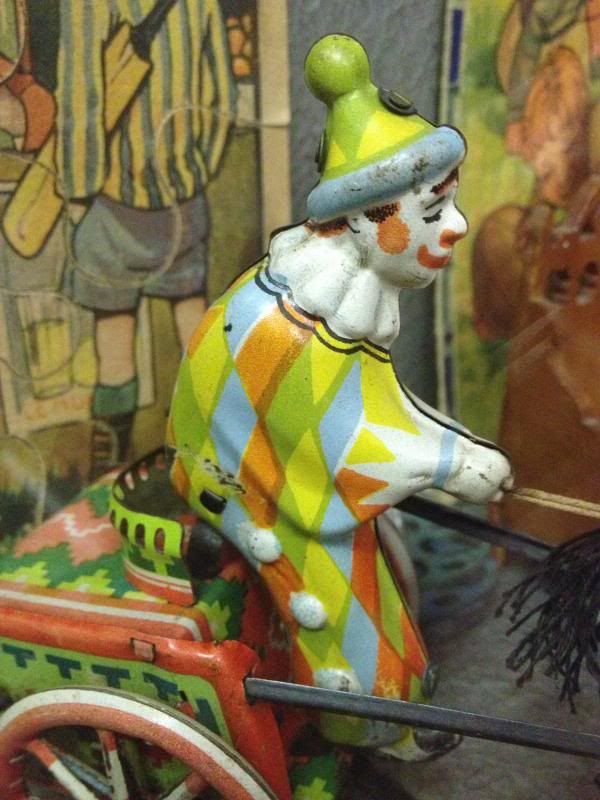
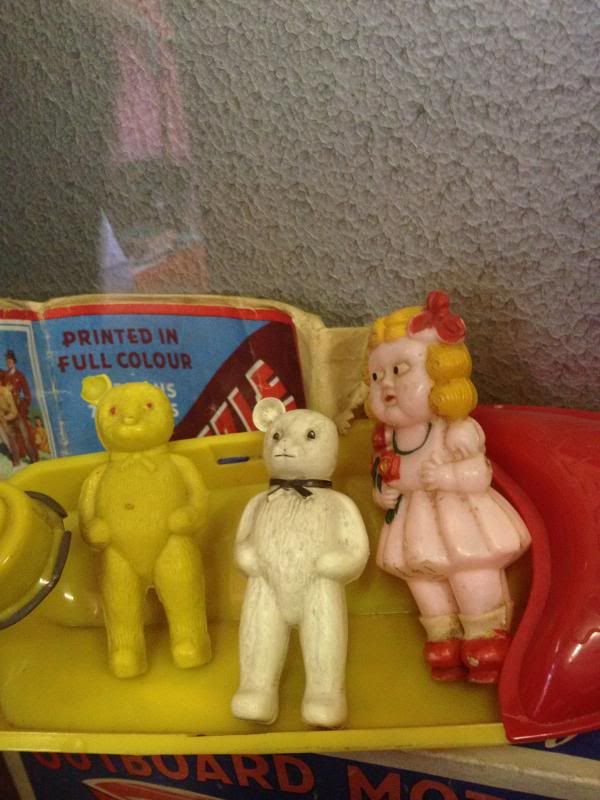
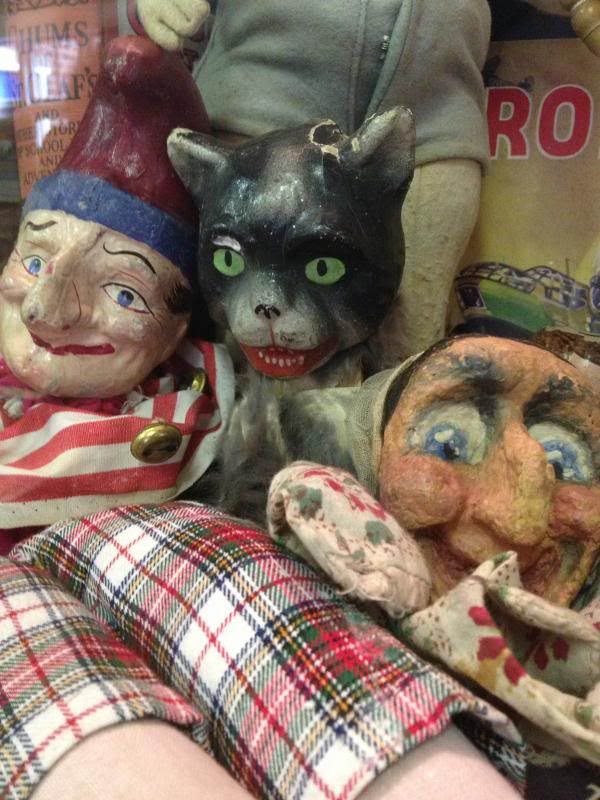
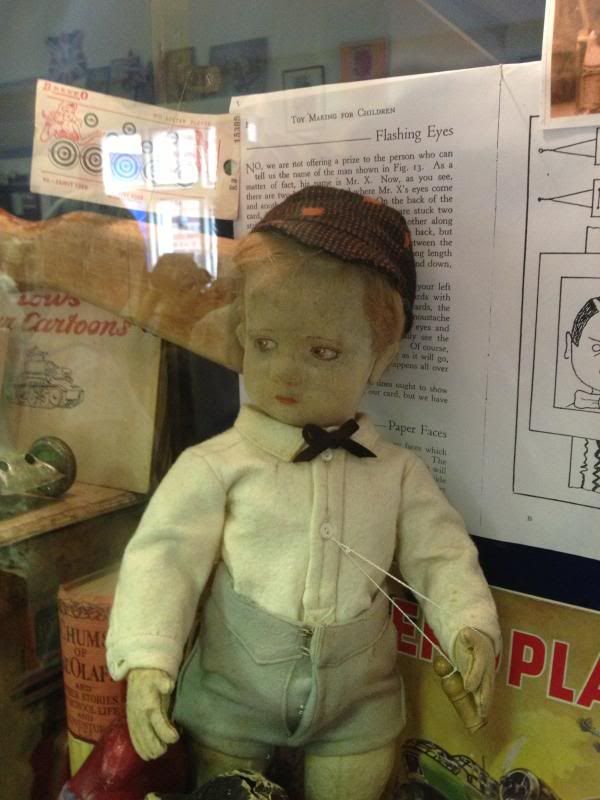
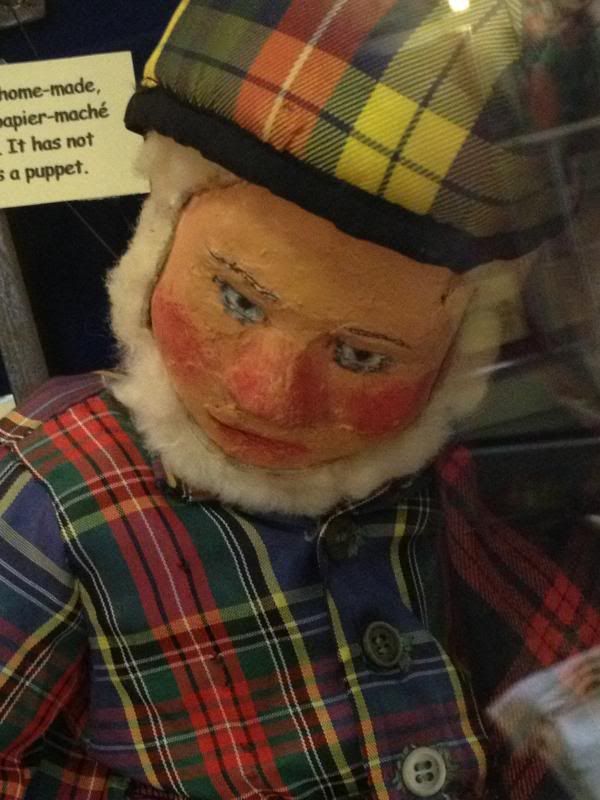
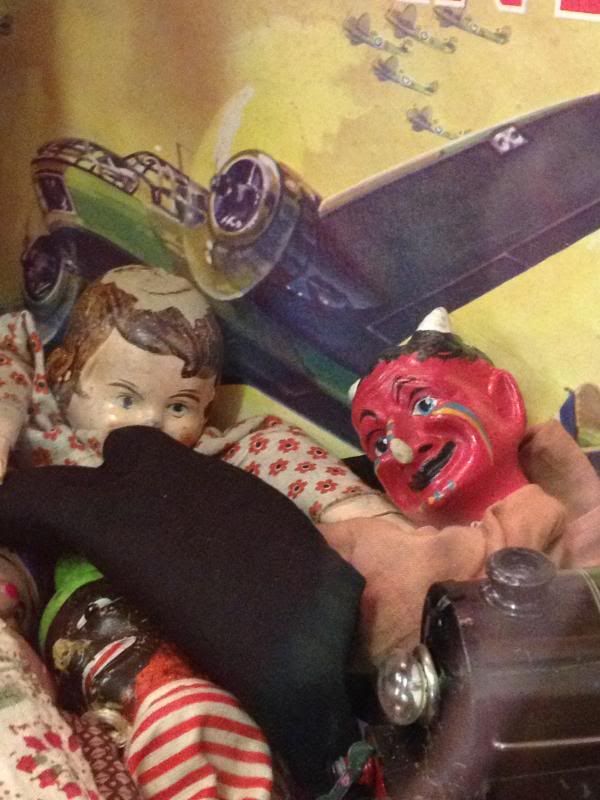
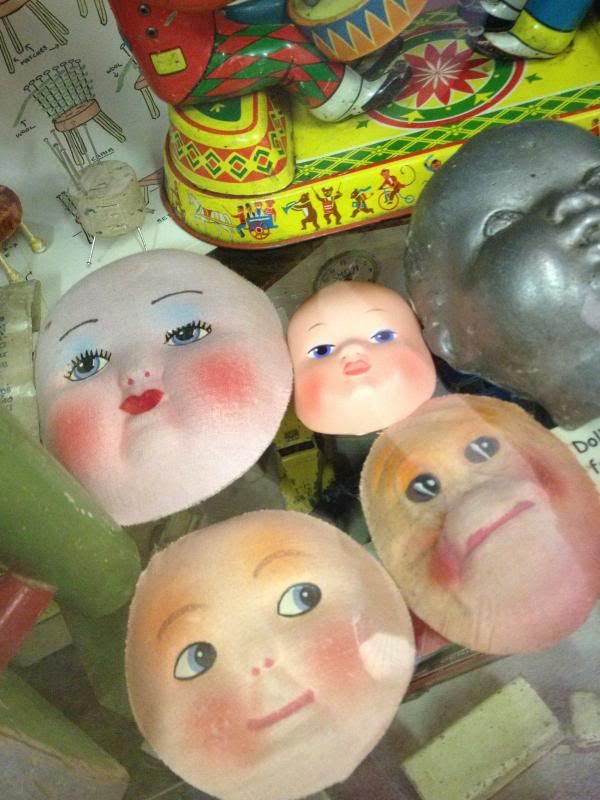
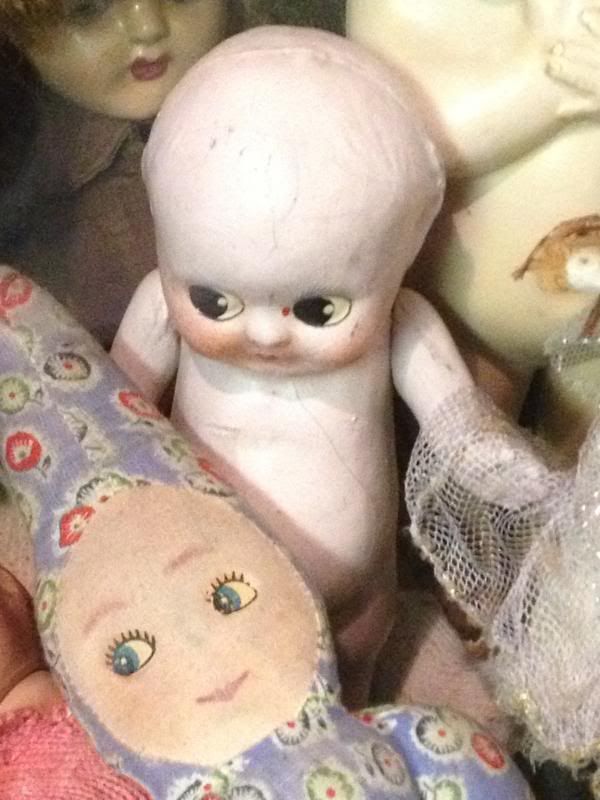
Bletchley Park’s Vintage Toys

Bletchley Park is a wonderful place, the home of the code breakers and now rightly being given the funding it deserves to renovate and improve. On the same site, the National Museum of Computing, full of nostalgia and vintage functioning computers and equipment, including a magnificent rebuild of Colossus.

But, one potentially overlooked exhibit is the wonderfully nostalgic Toy museum. There are an abundance of toys and games (e.g. original meccano), clothing and ornaments, wartime propaganda and toys, austerely made - “Make and Mend”.

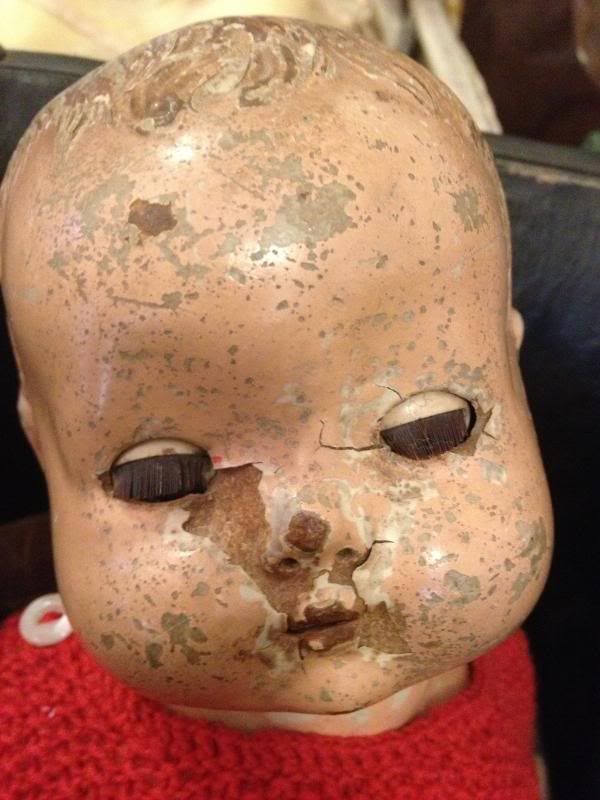
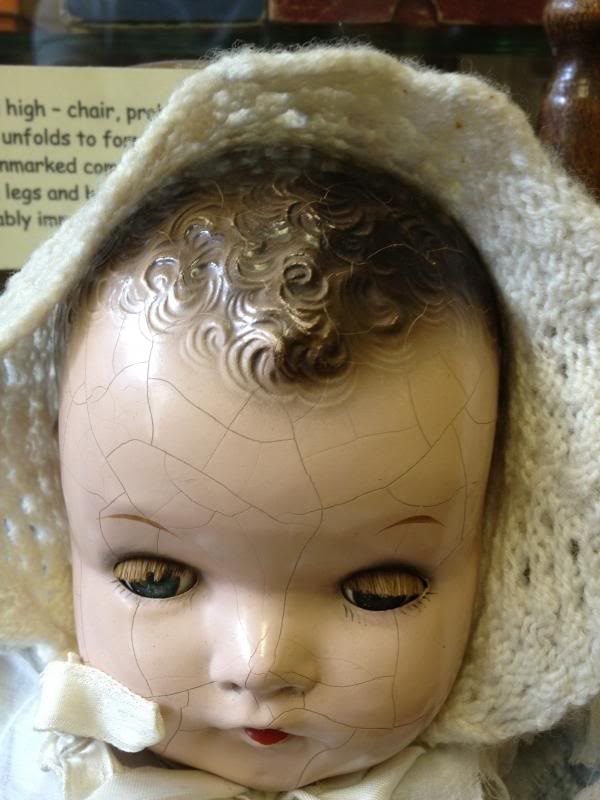
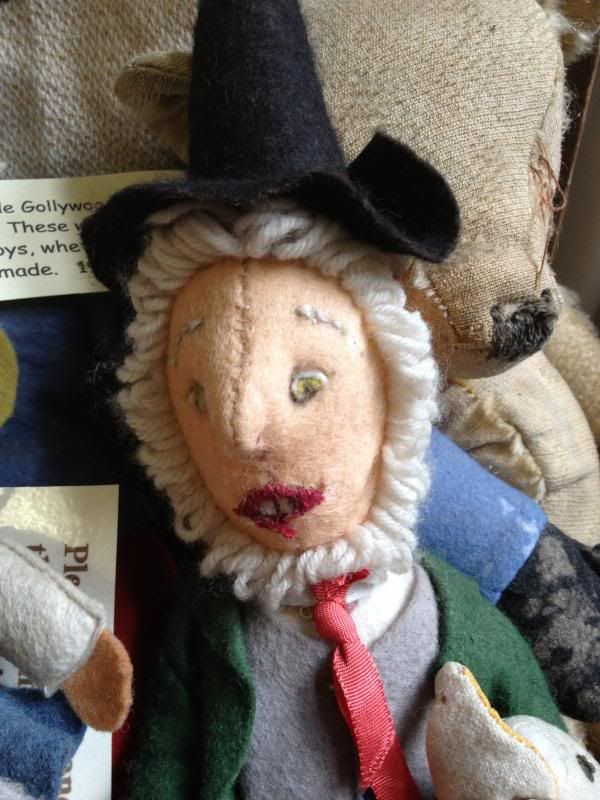
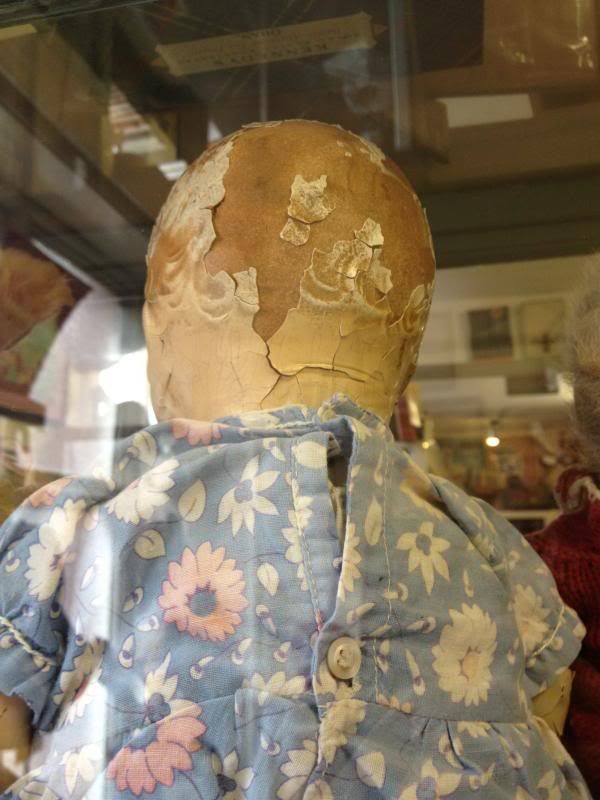
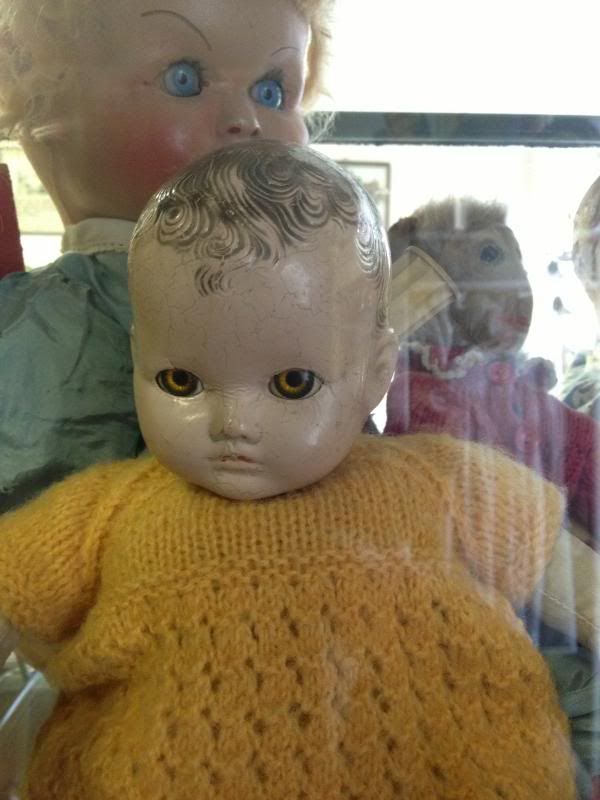
What really caught my eye was the dolls.

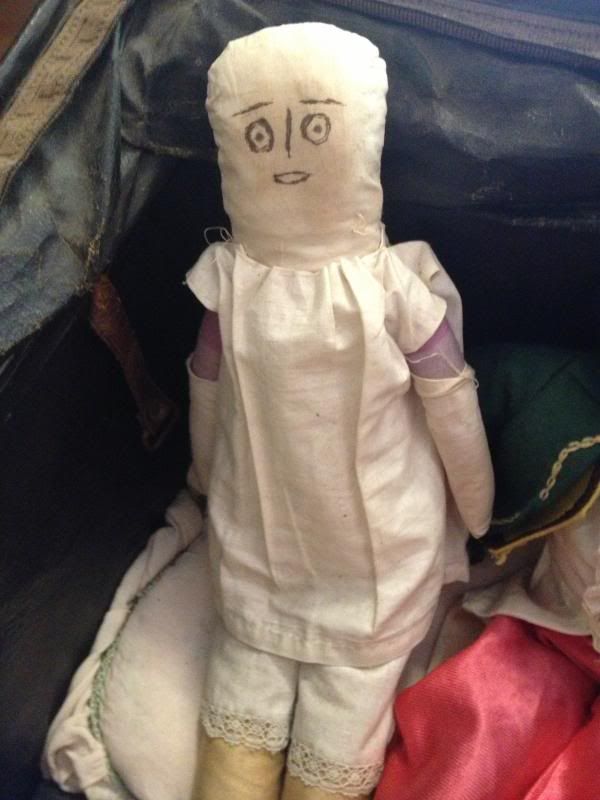
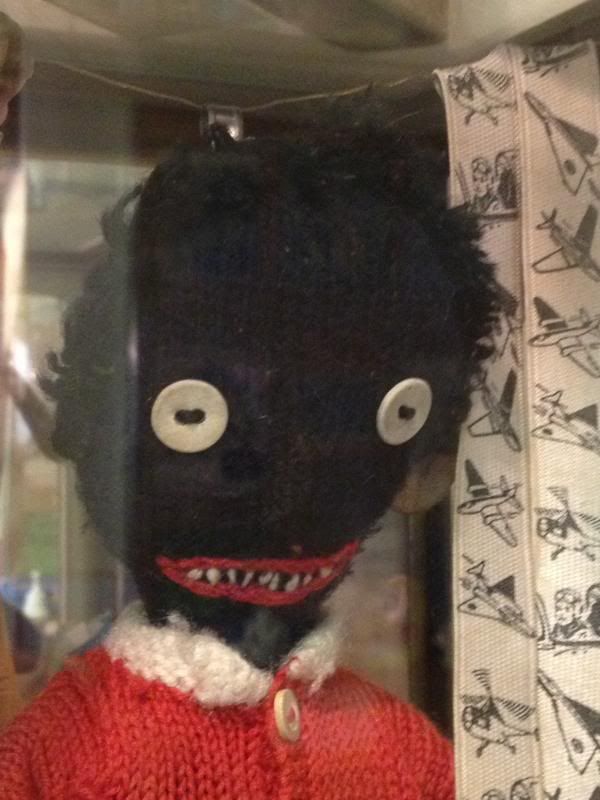
There was something haunted about them, sometimes they were sinister. Maybe the decades without the love of a child has slowly emptied them. Perhaps a hug will make them glow again.

Decide for yourself, a selection of photos I took with my iphone. (all photos © Mel Melis – all exhibits hosted at Bletchley Park – reproduced without seeking financial gain)

This poor doll sat staring from her pram, looking up into space. She never cries.

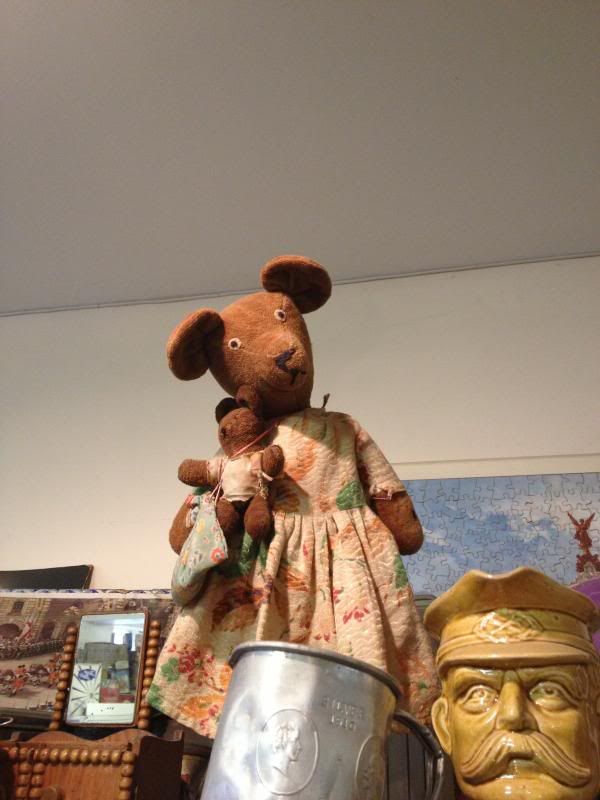
Mamma bear’s gonna mess you up.

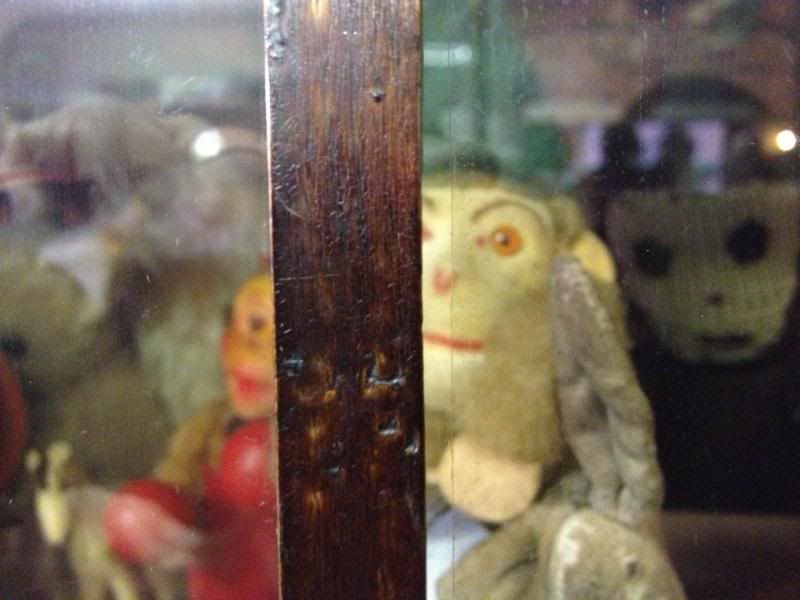
They’re waiting, they’re watching in the cabinet.

Strange, none of them seemed to be smiling.

And when they do smile, it’s hiding some terrible tragedy. I imagined this clown was visiting the grave of his wife.

Did she chew those bear ears off? Is she still hungry? The bears have been injected with a paralysis venom. She can take her time to consume them.

Scary. Atomic Kitten 1940.

This little lad has seen terrible things. I hope that’s not a garrotte.

An angry gnome (or an Amish farmer forced to wear tartan). Something simmers behind those eyes.

Devil soup

Just faces. Peeled off faces. No biggie.

This embryo terrified me.

Needle toothed golly, hung out to dry.

She made me want to cry!

The furious death stare.

A fragile girl. Fractured.

This made me laugh, he’s a bloody lipped vampire yokel

Flaking away


* – In all seriousness this is a lovingly preserved collection, the slow bite of time adds to the poignancy of any visit. Go! I implore you! Go to Bletchley Park! You wont regret it.

Sunday, 23 June 2013

Evocation (The Burial of Casagemas)

I went to the Courtauld Gallery a few weeks ago, a few days prior to the Becoming Picasso exhibition closing.

I keep making the point that I’m an enthusiastic amateur when it comes to appreciating art, but from what I’ve seen, Picasso’s blue period is intensely interesting.

The paintings inspired by his friend, the poet Casagemas, who’d committed suicide in Paris in 1901 are sad and poignant.

The painting I found the most beautiful was Evocation (The Burial of Casagemas) painted that same year.

Blue is always an appealing colour to the eye, we are naturally drawn to it and a gallery space hanging with some of the most magnificent “blue” Picassos was a special privilege.

The picture in this blog post doesn’t do justice to this painting, it’s big and subtle, full of depth and sensitivity. Picasso was making sense of the death of a loved one. The corpse of the poet lies in the bottom left, mourners cry and bid him goodbye, but Casagemas is ascending to heaven, death rides a white horse. And his companions, his angelic host, are naked prostitutes, standing on clouds. One of them drapes herself round his shoulders, a last kiss before he leaves this world.

What a wonderful painting.

Wednesday, 1 August 2012

An uprooted Cedar


As some of you know, I have another blog, where I am attempting to write a Haiku a day. That is, throughout 2012. As well as my Haiku contribution for today, I wrote a longer narrative poem, knitting four Haiku’s together, each following the 5-7-5 syllable structure. Although strictly you don’t have to follow a 5-7-5 syllable structure, I’ve maintained a determination to be strict about it. It’s a challenge and I like working within set boundaries.

I’ve lifted these Haikus out of my other blog as I felt strongly enough to present it here with other poems I’ve written. Just so happens this follows a Haiku structure.

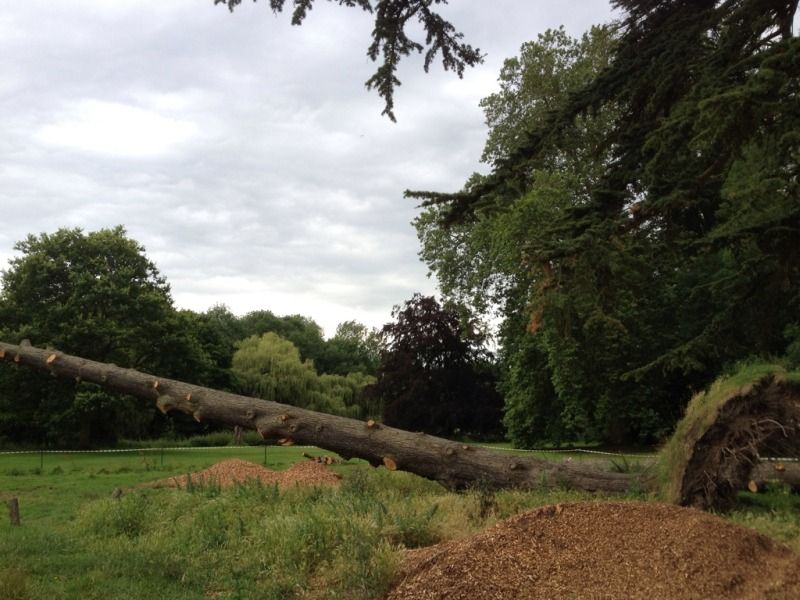
We were at Wrest Park today, a cedar had been uprooted but it hadn’t quite rested, it was impossibly clinging on at a sharp angle to the ground, part of its roots were still embedded in the earth. I considered whether some part of it was still alive despite being stripped bare of branches and leaves. It smelt beautiful, that evocative cedarwood smell. But the scent was coming out of freshly cut wounds. It was like a butchered carcass. I felt sad.
 

the scent of cedar

wind felled bled from severed limbs

doggedly straining

to defy soft earth

a circle of heavy clod

hangs from your muscled

roots, dug in stubborn

still clutching at life’s shadow

as your trunk is stripped

for timber and stove

your life ebbs but the scent of

cedarwood lingers

© Mel Melis August 2012

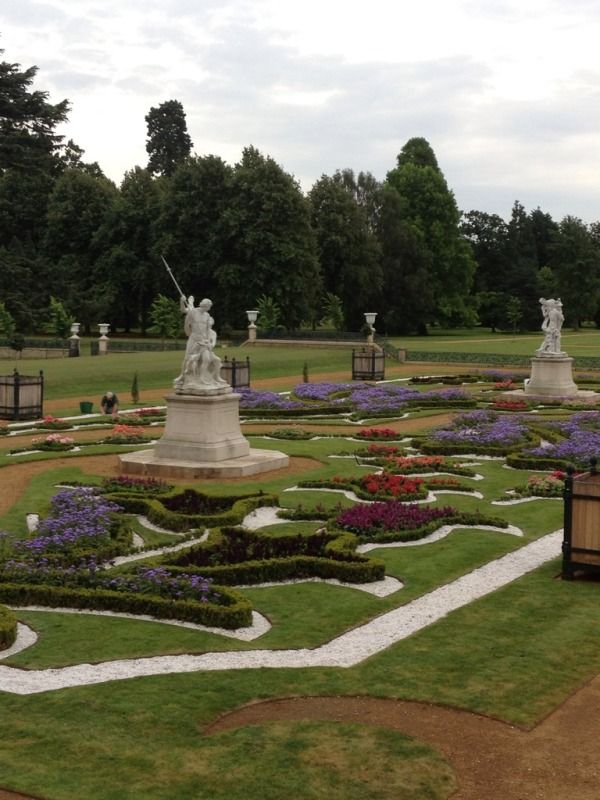
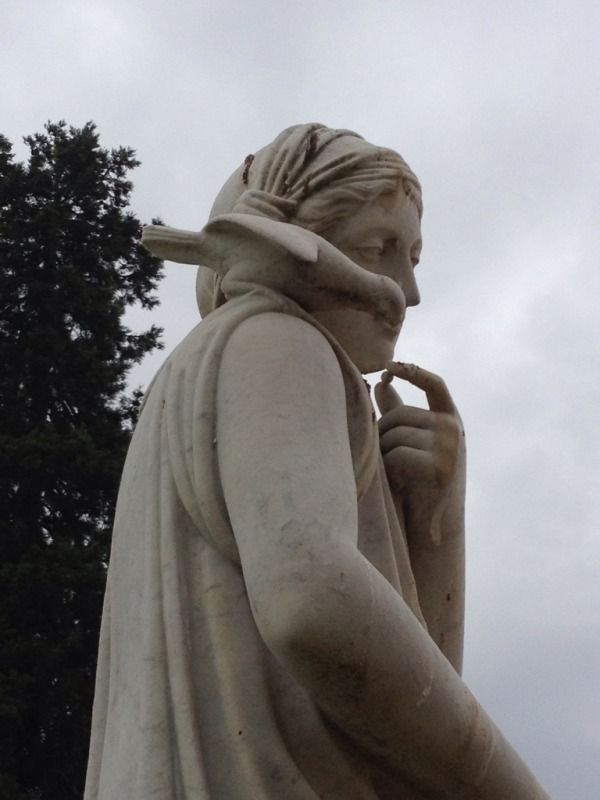
Some photos, of the cedar tree and others from Wrest Park. Taken by me.
Friday, 15 June 2012

A Rose in your garden


Within the unkempt mat

of last years dead rosehips

brown stranded, thread hanged,

is a sultry rose

pink to its core, each petal an arc of joy,

vivid in the sadness of your time,

--

the rosewood outlives,

thorny, twisted, an old woman’s hand,

cupped to the ear,

waiting to hear the old song,

--

a smile plays on your rose bud mouth,

you hold your breath, watching through the shutters,

waiting for his arrival, his midnight serenade,

….you loved this time of year.

©Mel Melis June 2012

(from mum’s garden)


Followers